
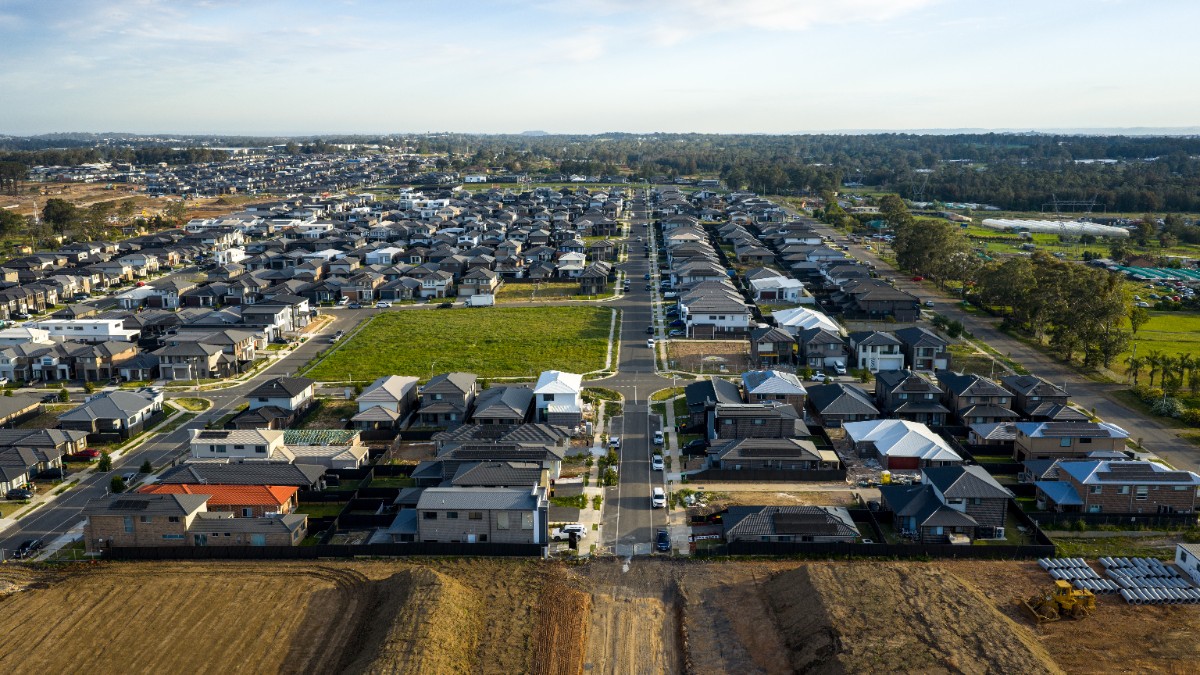
Outer suburbs and inner city areas across Australia are set to receive a huge injection of housing supply, with billions of dollars worth of homes approved for construction.
New data from the Australian Bureau of Statistics has revealed the suburbs where the most homes have been approved to be built this financial year, highlighting the housing hotspots preparing to welcome thousands of new residents.
How local property developers respond to changing housing demand
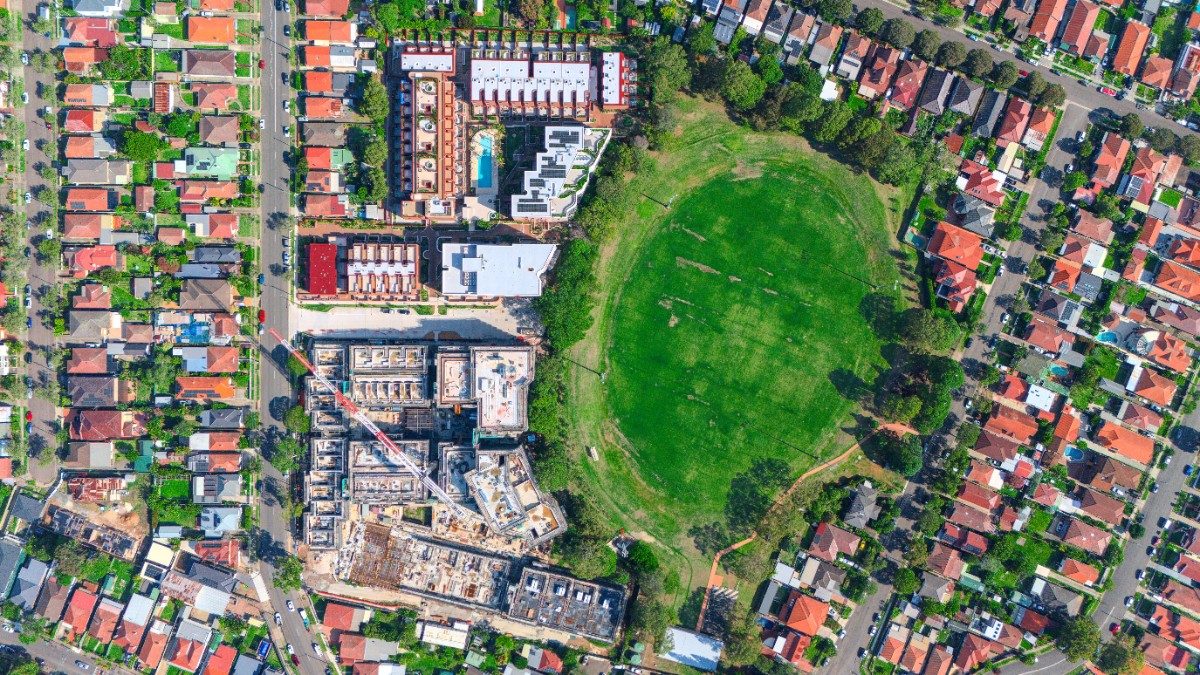
Developers are meeting housing demand by rethinking how and where homes are built, shifting toward smarter designs, converting older buildings, and addressing regulatory barriers. This approach helps create more affordable, diverse, and family-friendly housing options for growing communities.
- Design for families: developers are prioritising homes with more bedrooms and flexible layouts that better suit families, encouraging longer tenancy and stability.
- Convert unused spaces: empty office buildings are being transformed into residential units, adding homes in urban areas and revitalising city centres.
- Streamline regulations: cutting through zoning and permitting delays allows builders to deliver new housing faster and at lower costs, meeting high demand while keeping prices in check.
Every week there are new real estate investments, announcing new development projects, or describing the ways neighbourhood residents are responding to the housing market and demographic changes in their communities.
As market dynamics change and new investment occurs across Sydney’s various community areas, the loss of affordable rental housing can lead to increased housing instability and can cause residents to feel a growing risk of displacement.
Both national and citywide reports have examined trends of unresolved gaps in the stock of affordable housing and local media stories highlight the on-the-ground experience of these changing housing market elements and heightened pressures.
Market changes occur across various parts of the city, all of which have their own, unique dynamics and subsequent challenges. In some areas, neighbourhoods have experienced years of disinvestment, causing population decline, a deteriorating housing stock, and challenges to quality of life, and affordable units are not necessarily replaced as quickly as they are lost.
In other neighbourhoods, residents are experiencing affordability pressures as rental demand soars and development activity spikes. Planned projects have the potential to shift market dynamics in surrounding areas as rental demand, and therefore prices, rise.
Transforming underdeveloped areas into thriving communities
In the midst of a housing crisis, Australia stands at a crossroads with the potential to create vibrant and resilient communities. One solution lies in reimagining the suburbs by developing well-planned urban centres, where housing supply is matched with employment opportunities.
The landscape is evolving. While data shows population growth in capital cities, the data doesn’t present the full story and much, if not all, of that growth is taking place in the suburbs attached to those large cities. Employment growth is happening in suburbs. Data shows that CBDs in Australian capital cities only make up between 10-20% of metropolitan employment. This means that 80% of jobs are located outside of the cities.
Demonstrating that it is possible to reimagine the suburbs, transforming them into well-planned urban centres with active transport, employment spaces for growth industries and green spaces.
The way to approach strategic planning can be through:
- planning for, and supporting, the establishment of growth industries
- working with developers
- needing partners for planners
- leveraging owned assets
- striving for cross governmental cooperation
Each level of government needs to be part of the solution.
Why buyers are looking towards emerging Sydney suburbs
The housing market has changed dramatically in the past few decades in Australia, leading to a shift in younger generations’ mindset when it comes to investing in property. For many, it’s leaving them to turn their backs on the dream of property ownership entirely.
For those still wanting to buy and invest, the suburbs with the greatest growth potential may come as a surprise. Some young buyers may still be locked out because of median prices that sit well above the state (or national) average.
Creating more sustainable Sydney property developments
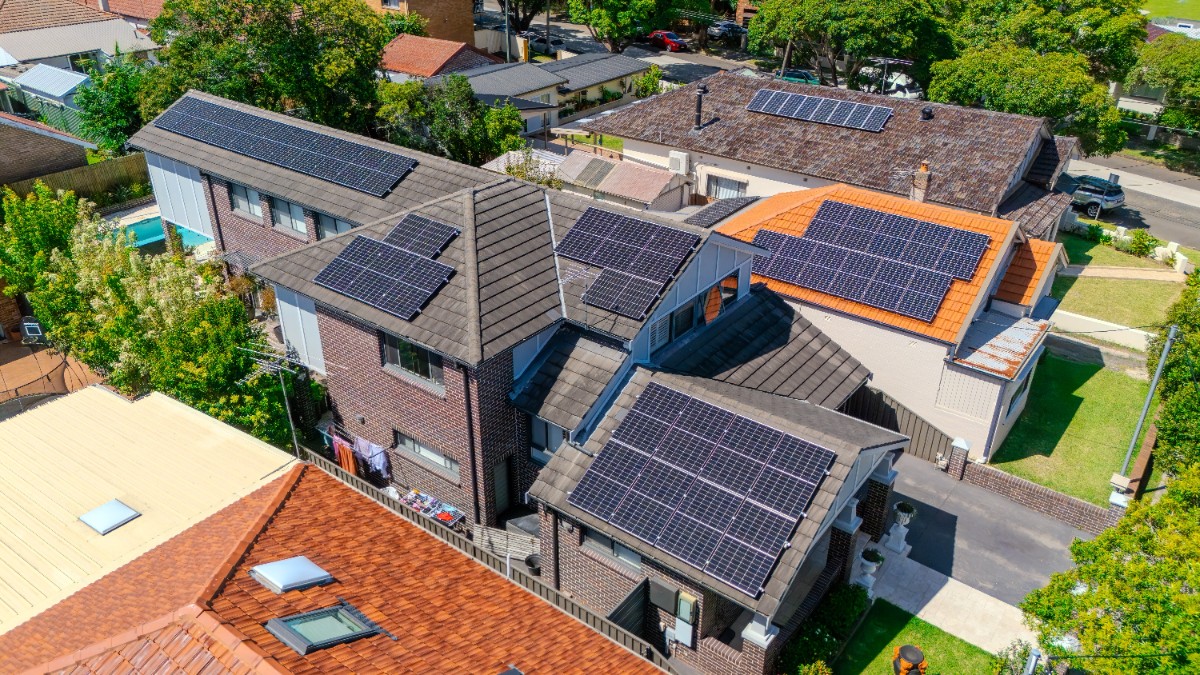
As Sydney grows it is important to design and build efficient and environmentally smart buildings to reduce greenhouse gas emissions, water use and waste generation.
The government has set targets to reduce greenhouse gas emissions levels 70% by 2030 and achieve net zero emissions by 2050. The state government’s Greater Sydney region plan and eastern city district plan include actions to support the NSW target of net zero emissions by 2050.
Incorporating general design features during the planning and construction stages of development can reduce resource use and improve a building’s operational efficiency. There are also best practice environmental benchmarks for buildings such as offices, hotels and serviced apartments, residential and retail buildings.
Designing developments around modern Sydney lifestyles
Sydney homeowners are increasingly looking for homes that do more than just look good. Modern living today is about comfort, functionality, sustainability, and long-term value. As lifestyles evolve and land becomes more valuable, home design trends across Sydney are shifting towards smarter layouts, timeless aesthetics, and future-focused features.
Whether you’re planning to build a new home, knock down and rebuild, or design a custom residence, understanding current home design trends can help you create a home that feels contemporary today and remains relevant for years to come.
- Open-plan living with defined zones: open-plan living continues to dominate modern home design in Sydney, but with a noticeable shift. Instead of completely open spaces, homeowners now prefer open layouts with subtle zoning that create flow while maintaining functionality and privacy. Modern homes are designed to feel spacious without losing purpose. Kitchens, dining, and living areas are still connected, but clever design elements help define each space.
- Strong indoor-outdoor connection: Sydney’s climate strongly influences home design, making indoor-outdoor living one of the most important modern trends. Homeowners want smooth transitions between interior spaces and outdoor areas, allowing them to enjoy natural light, fresh air, and outdoor entertaining year-round. Large sliding or bi-fold doors, covered alfresco areas, and outdoor kitchens are now considered essential rather than optional.
- Contemporary facades with timeless appeal: Sydney home designs are moving away from overly decorative facades towards clean, modern exteriors that age well. The focus is on simplicity, texture, and contrast rather than excessive detail. Modern facades often combine multiple materials to create visual interest while maintaining a refined appearance.
- Functional kitchens as the heart of the home: the kitchen remains the centrepiece of modern Sydney homes, but functionality is now just as important as appearance. Homeowners want kitchens that support daily living, entertaining, and storage needs without feeling overcrowded. Modern kitchen design focuses on clean lines, hidden storage, and efficient layouts.
- Sustainable and energy-efficient design: sustainability is no longer just a trend, it’s an expectation in modern Sydney homes. Homeowners are increasingly prioritising energy efficiency, lower running costs, and environmentally responsible materials.
- Flexible spaces for changing lifestyles: modern living in Sydney demands flexibility. With more people working from home and families needing adaptable spaces, homes are designed to evolve over time. Instead of rigid layouts, designers are creating rooms that can serve multiple purposes throughout the life of the home.
- Minimalist interiors with warmth: minimalism remains a key design influence, but modern Sydney homes are embracing warm minimalism rather than cold, stark interiors. The goal is to create calm, clutter-free spaces that still feel inviting and comfortable. Natural materials, soft textures, and layered lighting help achieve this balance.
- Smart home integration technology: playing an increasingly important role in modern home design. Smart home features are now integrated during the design stage rather than added later. Sydney homeowners are looking for convenience, security, and efficiency through technology.
- Luxurious yet practical bathrooms: modern bathrooms in Sydney homes are designed to feel like private retreats while remaining practical for everyday use. Clean lines, high-quality materials, and thoughtful layouts define this trend. Rather than oversized spaces, the focus is on efficiency and comfort.
- Maximising space on smaller blocks: with land becoming more expensive across Sydney, many homeowners are building on smaller or narrow blocks. Modern home design responds by maximising usable space without compromising comfort.
- Neutral palettes with subtle contrast: colour trends in Sydney homes favour neutral bases complemented by subtle contrast. Whites, greys, and warm beiges remain popular, paired with darker accents or natural materials. This approach creates flexibility, allowing homeowners to update styling without major renovations.
Modern home design in Sydney is about balance, blending aesthetics with functionality, innovation with comfort, and style with sustainability. The best homes are those designed by experienced property developers to suit both today’s lifestyle and tomorrow’s needs. By understanding current home design trends and working with an experienced builder, homeowners can create spaces that feel modern, comfortable, and timeless.
Ultimately, successful property investment is not just about securing the right asset, but also managing it effectively to support long-term growth, consistent rental returns and lasting value. Contact us now.