
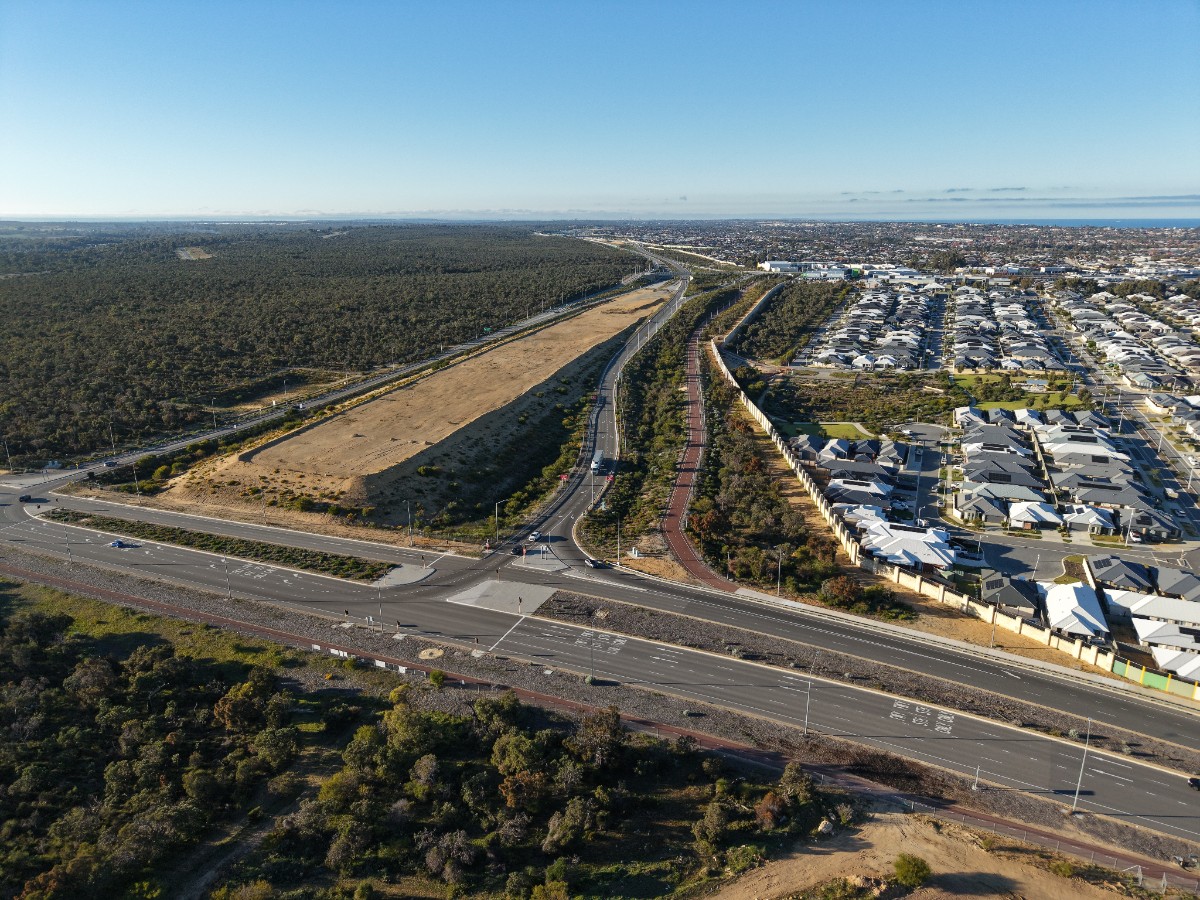
The demand for residential land in Australia is largely shaped by variables such as population increase, infrastructural investment, and shifting affordability. Property markets continue to be impacted by the demand for housing, basic services, and well-connected neighbourhoods as more people relocate to established cities and regional regions.
Investors and developers can find areas where future residential growth may be supported by housing demand by having a thorough understanding of these demographic and economic patterns.
It takes more than just looking at current changes in property prices or population statistics to evaluate residential land potential. Additionally, housing supply, rental demand, transportation connection, access to hospitals and schools, local job possibilities, and the availability of suitable construction sites are all factors that investors must take into account.
Property experts may better understand local market conditions, spot possible growth regions, and make well-informed decisions about development viability and long-term investment opportunities by weighing these elements collectively.
How population growth influences demand for residential land
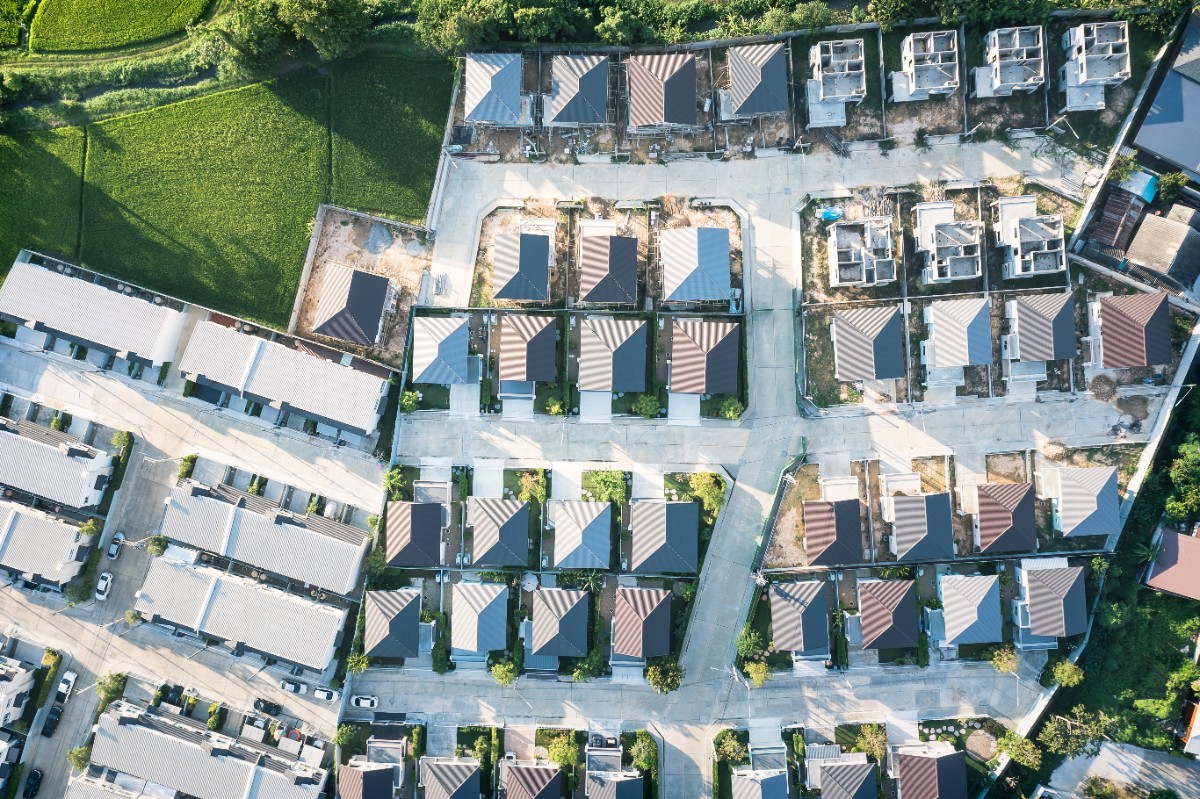
Australia’s population growth has eased from its post COVID peak, but it still adds enough people each year to keep housing demand elevated. The Australian Bureau of Statistics (ABS) reports the population rose 1.6% in the year to September 2025, taking Australia to 27.7 million people. That equals an annual lift of 423,600.
Even though this pace sits below the surge straight after the pandemic, it remains 12% above the decade average. In other words: growth looks less extreme, but it still runs hotter than “normal” at a time when housing supply can’t easily catch up.
If you’re researching property investment in Australia, these growth patterns matter because population inflows concentrate demand in specific regions rather than spreading it evenly across the country.
Affordability pressures, higher interest rates, and cost-of-living challenges influence how people participate in the market. When buyers can’t purchase, many households stay in (or move into) rentals. That shift increases competition for rental stock, especially in well-located areas close to employment and services.
Assessing housing supply and demand before subdividing regional land
A smaller home can look easier to assess because the property itself appears simpler. In reality, bedroom count does not reduce the need for careful research. Smaller regional homes are sometimes treated as straightforward investment options. Buyers may assume that a lower entry price, fewer rooms or a manageable block automatically means lower risk.
That assumption can be misleading.
A smaller property still needs to be assessed against local rental demand, comparable supply, liveability, future competition and the buyer’s personal strategy. The research process should be just as disciplined as it would be for a larger home.
A two-bedroom home does not serve one single tenant type. It may appeal to couples, singles, professionals, downsizers or small households.
Each group values different features. A professional may want a second room for working from home. A downsizer may prioritise easy maintenance and access to healthcare. A couple may value separate living spaces, natural light and a practical kitchen.
The overall vacancy rate provides a broad signal, but the comparable rental pool gives the more relevant context. Buyers should compare properties by bedroom count, dwelling type, condition, rent range and location. Counting every rental listing can exaggerate the amount of real competition.
A buyer seeking stability may evaluate the same property differently from someone prioritising growth or portfolio diversification.
How infrastructure projects and transport improvements influence housing demand
Infrastructure investment has long been one of the strongest drivers of property demand, and in 2026 it continues to play a major role in shaping Australia’s growth corridors. As governments invest in new transport networks, schools, hospitals, and community facilities, previously overlooked areas are becoming increasingly attractive to both residents and investors.
While infrastructure projects do not automatically guarantee property growth, they can significantly improve accessibility, employment opportunities, and overall liveability. These improvements often encourage population growth, which in turn increases housing demand.
For investors, understanding where major infrastructure spending is occurring can provide valuable insights into markets that may experience stronger long-term demand and future growth.
Infrastructure helps support the economic and social development of a region. Projects such as roads, rail links, airports, hospitals, schools, and commercial precincts can improve connectivity and make an area more attractive to residents and businesses.
When accessibility improves, more people are willing to live in surrounding suburbs while maintaining access to employment hubs and essential services. This often increases demand for both owner-occupied and rental properties.
Although infrastructure can create positive conditions, it should never be viewed as the sole reason to invest in a market. Other factors such as housing supply, affordability, employment opportunities, rental demand, and population growth remain equally important.
Some areas receive major infrastructure investment but fail to achieve strong property performance because demand does not increase as expected. Investors should therefore evaluate infrastructure within the broader context of market fundamentals.
The most successful investment decisions are usually based on a combination of factors rather than a single growth driver.
Infrastructure spending continues to be one of the most important long-term drivers of housing demand in Australia’s growth corridors. However, successful investors understand that infrastructure works best when combined with strong population growth, housing demand, and economic activity.
By focusing on markets where these factors align, investors can position themselves to benefit from both improved liveability and long-term demand growth.
Understanding the impact of new schools, hospitals and amenities on residential growth
Home price is made of two parts: price of land and the cost of the house. Land value is derived from its location which often, especially in urban areas, accounts for the lion’s share of overall home price. The value of the land is subject to the laws of supply and demand and in turn depends on the land’s scarcity.
Many factors are baked into land price, including proximity to amenities and land’s inherent quality (e.g., proximity to a shoreline, the mountains, etc.). Unique and somewhat subjective home characteristics like view as well as proximity to ocean, lake, etc. are known to influence home price. Conversely, land price may be adversely affected by proximity to sources of noise and pollution (airports, major highways, etc.).
Unlike building material, labour and capital, land is a “finite,” or “non-renewable,” resource, often limited by stringent geographic and topographical constraints. Amenities pertain to proximity and accessibility to things like opportunities in employment, education, transportation, entertainment, retail, cultural, recreational, etc.
Evaluating local property market trends to identify development opportunities
The first step in a successful property development project is choosing a profitable site. Put simply, it all comes down to the numbers.
If the numbers add up, you can make a lot of money.
If the numbers don’t add up, you can find yourself in more than a little bit of trouble.
The first thing you must understand when looking for a site is what makes a development site profitable. Without this understanding it’s all but impossible to land a great deal.
- Market demand: is the location in demand? Are properties selling quickly and for good prices? Is the area experiencing growth?
- Value creation: can you create value through subdivision, construction, or redevelopment?
- Favourable zoning and planning: does the local council favour property developments? Are there opportunities in current council plans? Or is it a troublesome council?
- Amenities and infrastructure: does the location have access to main roads, schools, shopping centres, and other desirable features?
- Potential return : can you generate a return of about 20%?
When assessing the viability of a potential site, you must perform your due diligence. First assess the basics, if they check out then move on to a detailed financial feasibility. These activities will save you from pursuing a deal that just won’t work.
How housing affordability drives demand in regional communities
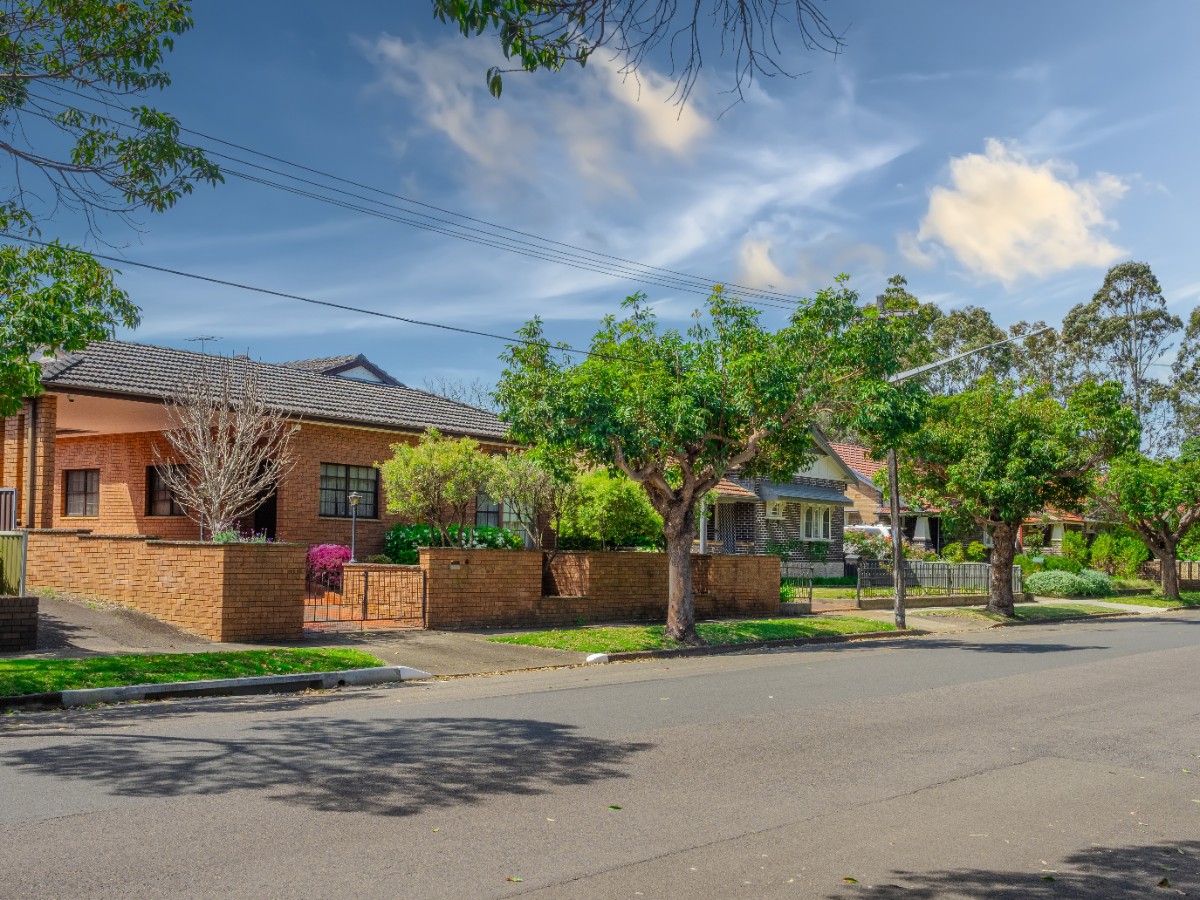
Despite early expectations to the contrary, house prices have continued to increase throughout the Covid-19 pandemic. Perhaps more surprising was the increase in median house prices across Regional Australia. When Australia first entered the pandemic in early 2020, not many thought a rapid increase in house prices and decreased housing affordability would be a side effect of Covid-19.
Initial predictions about the economy and other measures of financial security pointed to a cooling off or even decline in house prices, largely based on early assumptions about the effect of Covid-19–related restrictions on the economy, employment and overall financial wellbeing of Australians.
As the year went on and Australia’s financial and economic health record looked better than expected, housing demand and affordability continued to trend as if nothing happened. House prices kept increasing and buyer demand stayed strong.
In regional Australia, those mentioned drivers for increased demand were also factors, as well as more demand for housing by city dwellers who now began to look beyond city limits to peri-urban and regional places as changes in working arrangements enabled many to work remotely some of/all of the time. Focus on cities’ median house prices showed higher year-on-year increases than longer-term trends, but what was happening in Regional Australia?
The demand for residential land is shifting due to several factors, including population growth, infrastructure improvements, housing affordability, and access to essential services. However, their impact varies depending on housing availability, employment opportunities, demographics, and planning restrictions in each area. Regional land developers play an important role in identifying these emerging opportunities and assessing the potential of land for future development. Understanding where demand might arise and how regional and metropolitan real estate markets might change becomes easier by evaluating these interconnected factors.
Effective decision-making for developers and investors requires a combination of thorough due diligence, realistic financial assessments, and market research. Promising growth prospects can be found while emphasising potential hazards by analysing comparable property supply, infrastructural initiatives, demographic trends, and local affordability.
Property professionals can more accurately evaluate land potential and seek possibilities that are in line with their long-term investment goals with the use of an informed, evidence-based approach.
If you own regional land and are exploring its development potential, partner with Cite Group to assess the opportunities and discuss a development strategy tailored to your site. Contact us now.