
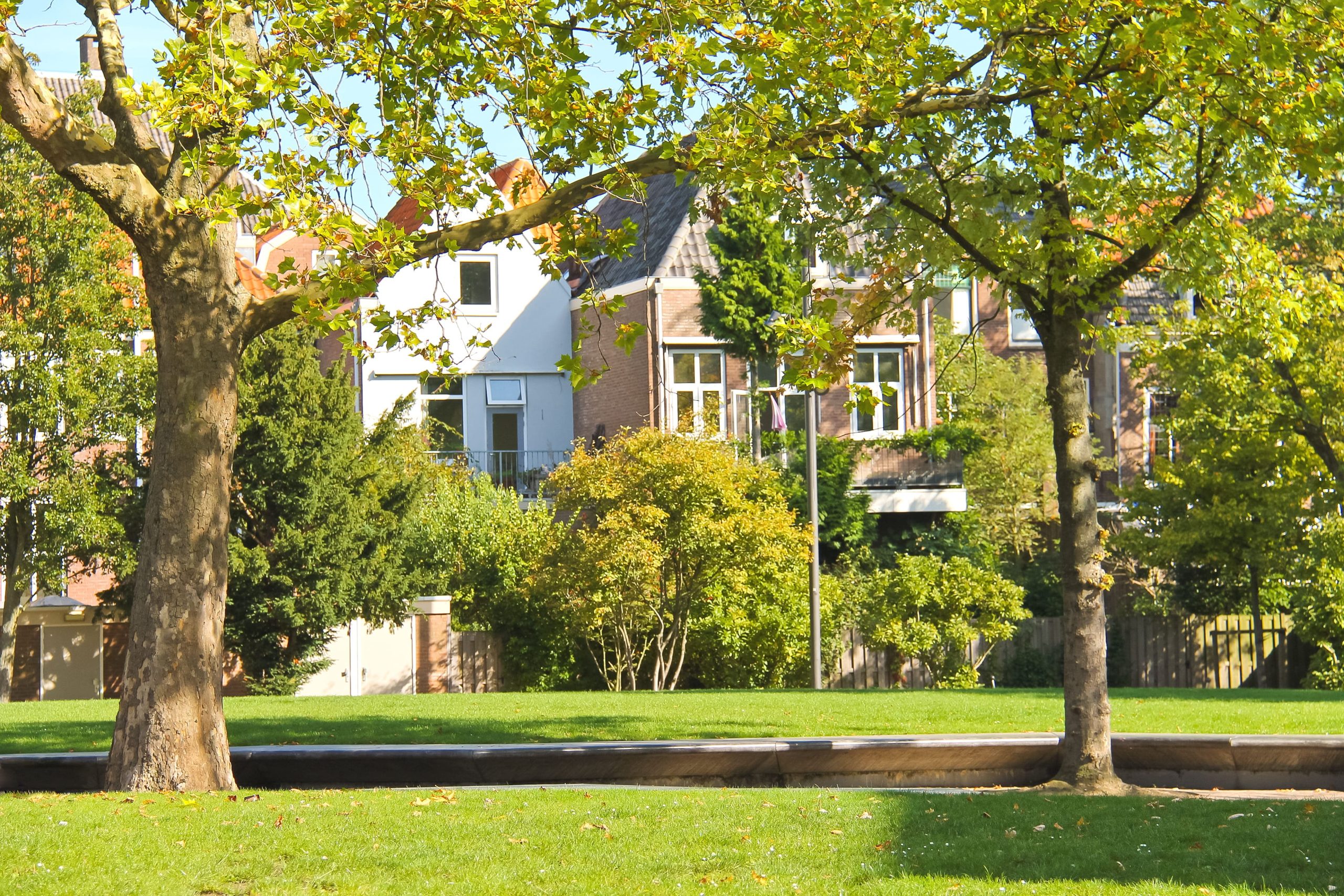
New land developments are increasing in popularity as many homebuyers look for large blocks and bigger properties, as well as the comforts that come with a brand-new home. Despite interest rates being at their highest, housing demand has continued to ramp up.
But as housing supply continues to dwindle, many homebuyers are looking to the new homes market for more options. New estates and land developments offer a different lifestyle compared to established suburbs, such as large tracts of open space, multiple sports fields and close and convenient shopping plazas.
There’s also the resultant infrastructure that comes with new developments in Sydney, including new train stations, increased public transport and road upgrades. It is important when buying in a new area to take the time to thoroughly research the proposed development and its surrounding environment.
Location and neighbourhood potential

Talk to people who’ve already moved in. Developments happen in stages and it usually takes years for a new estate to be completed, so some homes will be occupied while other blocks are just being released. Consider the standard of existing housing and streetscapes. Ask if residents are generally happy with their living experience so far, and what problems they’ve encountered.
To identify the right neighbourhood, prioritise factors based on your needs: families should consider school quality and community vibe, while investors focus on rental yield and market trends. Research historical price trends and rental demand to understand local real estate dynamics.
Evaluating amenities like schools, parks, and transport options is essential for families, while investors should seek job opportunities and retail hubs. Visit neighbourhoods at various times to assess safety and atmosphere, check school zones for quality education, and review crime rates for safety. Understand local demographics and engage with residents and real estate professionals for insights.
Developer reputation and track record
Off-the-plan properties allow buyers to lock in today’s prices while awaiting construction completion. It is crucial to assess the developer’s reputation and track record before purchasing. Key evaluation steps include researching past projects through the developer’s website, online reviews, and social media, as well as examining the quality of construction, customer service, and any accolades received.
Check out the developer’s website and scrutinise the ‘About’ section. Some key questions to ask are: how long have they been in operation, what other developments have they completed, and how have they worked out, do they offer incentives for sustainable homes, what do they do to help build community…
Pay particular attention to the developer’s design guidelines as they’ll shape your new environment.
Property type and layout
Before selecting a house plan, establish a budget, ensure the floor plan suits your building site, identify essential features, and consider the house layout’s alignment with your daily routine. Confirm room dimensions for intended use and compatibility with existing furniture. Visit display homes for insights and family feedback, focusing on functional features like layout over aesthetics, as these aspects are harder to modify later.
A single storey home is designed on one level without stairs, making it adaptable for people of all ages and easier to maintain temperature. While it is popular in Australia, it has drawbacks like vulnerability to flooding and limited outdoor space.
Double storey homes have at least one staircase and often organise living spaces with bedrooms upstairs. They offer more privacy and space but can be challenging for those with reduced mobility. Styles include Victorian and modern farmhouse designs.
Acreage homes feature larger plots of land, providing a country feel and opportunities for outdoor activities, but they come with higher costs and management needs. Tiny homes present a solution to housing challenges, focusing on simpler living with lower maintenance but may not suit individuals who collect many possessions.
Quality of construction and materials
The high rise residential construction landscape in Australia underwent significant changes between 2012 and 2018, particularly in cities like Sydney, Melbourne, and Brisbane. Prior to 2012, there were fewer and smaller projects, with buildings over 100 units considered large. However, during this cycle, such projects became medium scale, with many buildings exceeding 200 units being developed simultaneously.
Off-the-plan vs completed developments
In order to get a good idea of what the future environment will be like, and whether it will suit your needs, it’s important to study the master plan: what sort of lifestyle is on offer, will the estate offer high, low or medium density housing, or a mix, how much medium density housing is planned and where is it situated, how much land is set aside for parks, walking and cycling tracks, sports fields, waterways, wildlife corridors… North Sydney is a mature, infrastructure-heavy market. That context reduces some risks commonly associated with off-the-plan purchases in emerging areas, but it does not eliminate them.
Demand remains strong for well-located completed apartments, particularly those close to transport and employment centres. At the same time, limited land supply supports interest in off-the-plan projects where buyers can secure future stock early.
Pricing, budget, and hidden costs
Property developers, seasoned investors, and even families looking to build homes must arm themselves with knowledge about these concealed expenditures. By doing so, they can better anticipate costs, refine financial strategies, and make more informed decisions throughout the development process.
In property development, hidden costs present significant challenges, often unnoticed during budgeting yet capable of severely affecting project feasibility. These costs can include development fees (for permits and planning), construction-related expenses (fluctuations in labour and material prices, unforeseen site conditions), legal and compliance costs (conveyancing and regulatory assessments), as well as taxation and holding expenses (stamp duty, land tax, financing).
Amenities and lifestyle features
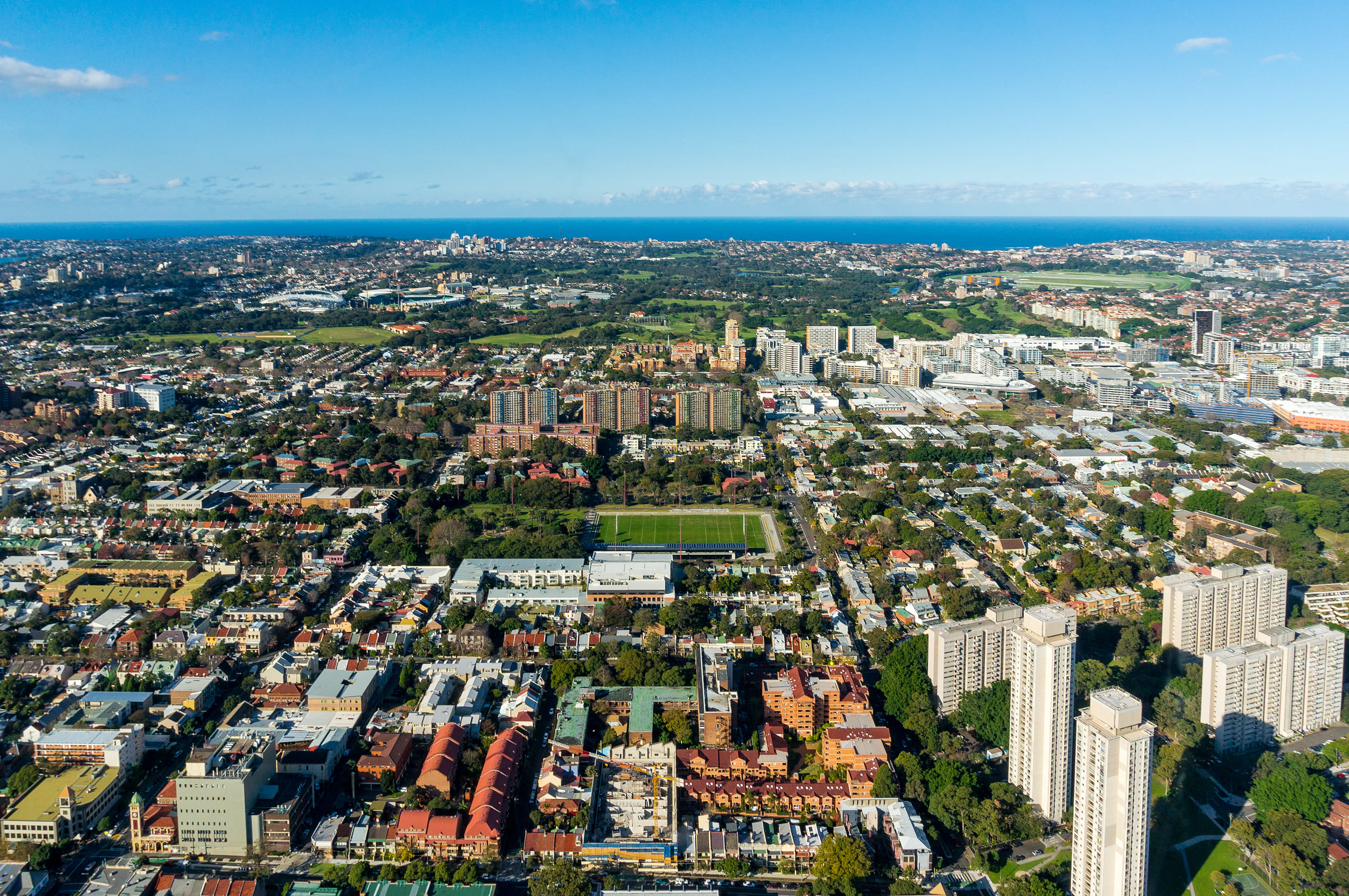
Full-floor and corner apartments are increasingly appealing to homebuyers seeking space and privacy while enjoying building amenities. Developments offer luxurious full-floor residences with stunning river views, promoting a smooth transition to apartment living.
Corner apartments maximise natural light and minimise shared walls. Architectural trends include the use of curved glass, enhancing aesthetics and energy efficiency. Moreover, luxury developments are integrating smart technology and automation for convenience. Features like loggia terraces inspired by Mediterranean design are also emerging in Australian luxury apartments.
Buying into a new land development can offer a compelling mix of lifestyle, space, and long-term value but it also requires a more considered approach than purchasing in an established suburb. From understanding the future of the neighbourhood to assessing developer credibility, construction quality, and the true cost of ownership, every decision plays a role in shaping your investment.
Ultimately, the goal is not just to secure a property, but to choose a location and home that will grow with you whether that means supporting your lifestyle, your family, or your financial future. With the right research and a clear understanding of what to look for, buyers can navigate new developments with confidence and make decisions that stand the test of time. Contact us now.