
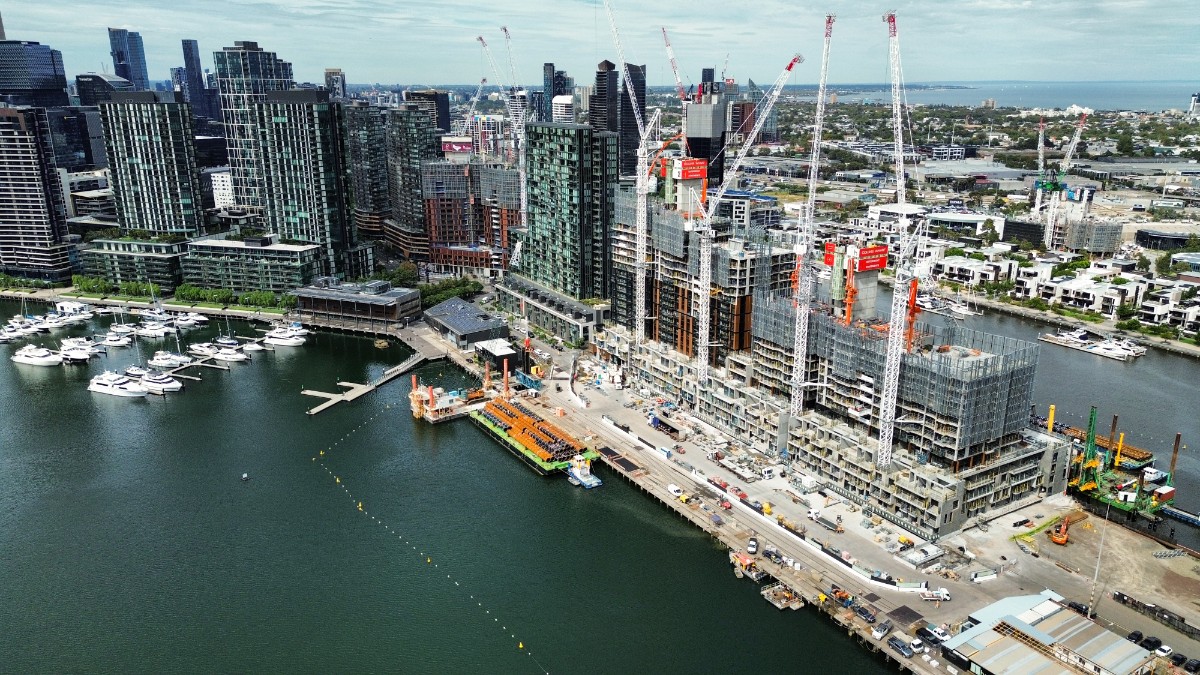
Building long-term wealth through property requires more than simply buying real estate and waiting for values to rise. A strong property investment and development strategy combines careful market research, asset selection, value creation, financial planning and ongoing management to help investors build sustainable returns over time.
Our role, at Cite Group, as a property investment and development company is to bring these elements together, identifying opportunities that align with an investor’s goals while managing the risks that come with property ownership and development.
From choosing the right location and assessing future growth potential to improving an asset through development and protecting its performance through professional management, every stage can influence long-term outcomes.
Understanding how these decisions work together can help investors move beyond short-term gains and build a portfolio designed for capital growth, rental income and resilience across changing market conditions.
Understanding property investment and development
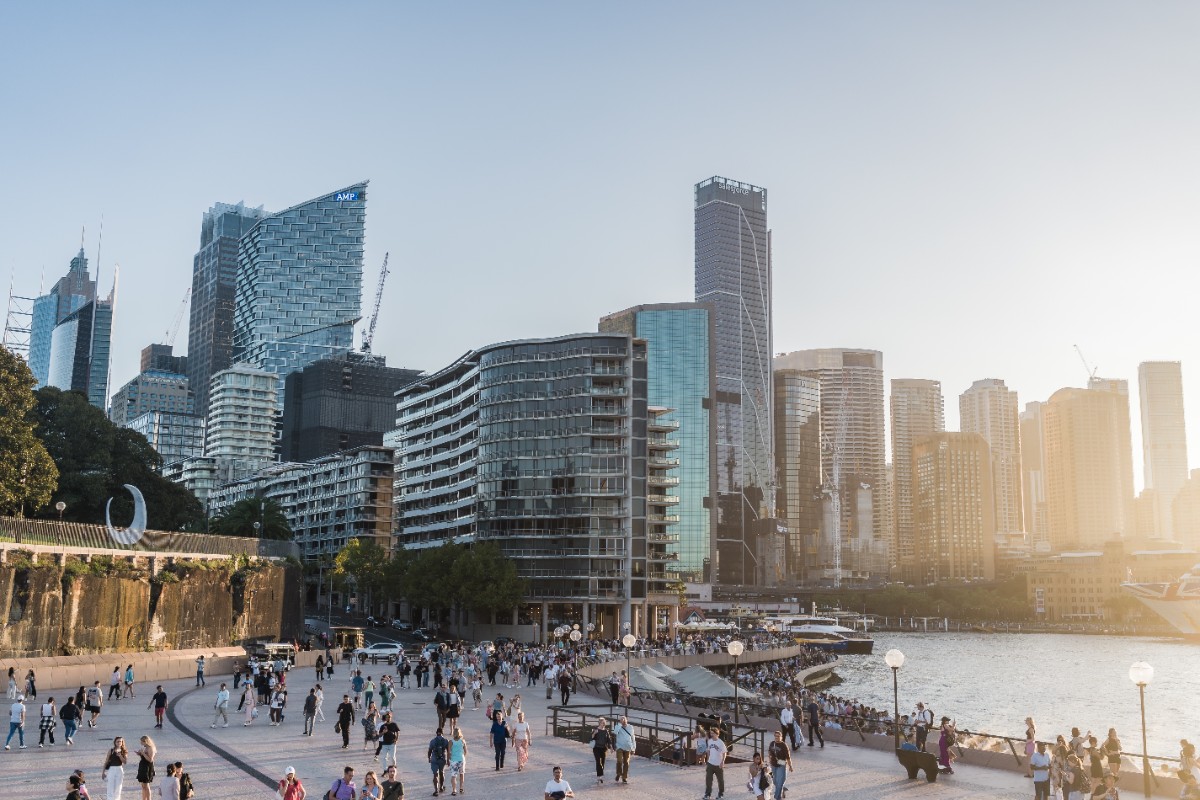
Property development and property investment are two distinct activities that often get blurred into a single phrase. The blur matters, because the right strategy for any investor depends on understanding which one they’re actually doing and which one suits the capital, the risk appetite, and the time horizon they have to work with.
Property investment is acquiring property and holding it for income, capital appreciation, or both. The classic example is buy-to-let. The investor buys an asset that is already in a usable, lettable condition and earns a return from rental income plus any rise in capital value over time. The activity is essentially passive in nature, even where management is professionalised: the value comes from owning the asset, not from changing it.
Property development is acquiring property or land and actively changing it to create value through planning consent, refurbishment, conversion, extension, or new build. The asset at the end of the process is different from the asset at the start: more valuable, more lettable, more saleable, or all three. Development is project-based, time-bound, and execution-dependent. The value comes from what the operator does to the asset, not just from owning it.
The distinction matters because the two activities have very different return profiles, risk structures, and capital requirements. Investment returns tend to be steady, modest, and scalable through portfolio size. Development returns tend to be larger per project, riskier, and dependent on the operator’s competence rather than the market doing the work.
Identifying the right property investment opportunities
- Step 1: Know your goal: before anything else, get clear on why you’re investing. Are you chasing ongoing rental income or hoping for long-term growth? Will you hold onto the property or flip it? Are you building a portfolio or investing in a one-off asset? Your goals shape everything from location to property type to financing strategy.
- Step 2: What to look for in an investment property: the right location matters more than the prettiest property. Look for: proximity to transport, hospitals, schools or universities, easy access to shops, cafes, and recreation, low vacancy rates and strong rental demand, and future infrastructure plans.
- Step 3: How to assess an area’s investment potential: investors need to look beyond today’s hot spots. The best areas to invest in often share these traits: infrastructure upgrades, demographics, price and rent trends, and suburb resilience.
- Step 4: Common mistakes to avoid: even smart investors can stumble. It is important not to buy on emotion, overleveraging, ignoring strata and reports, and betting on high-risk towns.
- Step 5: Think like a business: treat property investment the same way. Calculate cash flow under different interest rates. Plan for maintenance and management fees. Choose the right loan structure (e.g. interest-only vs principal and interest). Talk to your accountant about negative gearing and tax offsets.
Creating value through property development
Increasing your property’s value is not just about spending more money, it’s about making the right development decisions. In Australia’s competitive property market, especially in cities like Sydney, smart development can significantly boost both short-term resale value and long-term investment returns.
Whether you’re a homeowner planning renovation, a property investor looking to maximise profits, or a developer working on a subdivision or rebuild, understanding how to add value strategically is essential. Poorly planned upgrades can cost thousands without delivering a strong return, while smart development choices can transform an average property into a high-value asset.
- Understand what adds real value in today’s market: property value is influenced by demand, and demand changes with lifestyle trends, demographics, and economic conditions. In Australia, buyers tend to prioritise functionality, location, energy efficiency, and low maintenance. Overspending on features that don’t align with buyer expectations often results in poor returns. Smart development starts with aligning your plans to market demand, not personal taste alone.
- Start with a clear development strategy: one of the biggest mistakes property owners make is developing without a clear goal. Every successful value-adding project starts with a defined strategy. Ask yourself what you want to achieve. Your strategy will guide decisions around budget, design, scale, and finishes. A renovation aimed at resale will differ greatly from one designed for long-term living or rental income.
- Maximise land potential and zoning opportunities: land is one of the most valuable components of any property. Smart development often focuses on making better use of the land rather than just upgrading the building. Before proceeding, consult town planners or council guidelines to confirm what’s permissible. Developing within zoning limits reduces approval risks and delays.
- Improve layout and functionality: a beautiful home that doesn’t function well will struggle to attract buyers. Smart development focuses on improving how a property is used, not just how it looks. Poor layouts such as narrow living areas, awkward room placement, or lack of storage can reduce value, even in renovated homes.
- Invest in kitchen and bathroom upgrades wisely: kitchens and bathrooms are two of the most influential areas when it comes to property value. Buyers often base decisions on these spaces, but overcapitalising is a common mistake. Smart upgrades focus on quality, durability, and neutral appeal rather than luxury for luxury’s sake. A well-designed, mid-range upgrade often delivers better returns than high-end finishes that don’t suit the area.
- Add bedrooms and bathrooms where possible: increasing the number of bedrooms or bathrooms can significantly boost property value, especially in family-oriented suburbs. Additional bedrooms increase a home’s flexibility and appeal to a wider market, including families, investors, and renters. These changes should be well planned to ensure rooms are functional and compliant with building regulations.
- Enhance street appeal and first impressions: a property’s exterior sets expectations before buyers even step inside. Improving street appeal is often one of the most cost-effective ways to increase value. A well-presented exterior can significantly improve buyer interest and perceived value.
- Incorporate energy efficiency and sustainable features: energy efficiency is no longer optional, it’s a key selling point in the Australian market. Homes that are cheaper to run and environmentally friendly are more attractive to buyers and tenants. Smart development integrates sustainability without excessive cost. These features improve comfort, reduce running costs, and enhance long-term value.
- Create usable outdoor living spaces: outdoor living is highly valued in Australia’s climate. A well-designed outdoor area can feel like an extension of the home and significantly increase its appeal. Rather than large unused yards, buyers prefer functional outdoor spaces. Even smaller blocks can benefit from smart outdoor design.
- Avoid overcapitalising in the wrong areas: one of the most common development mistakes is spending too much for the area. Overcapitalising means your development costs exceed what the market is willing to pay. Smart development balances quality with market reality.
- Work with experienced professionals: successful property development relies on the right team. Working with experienced professionals reduces risk and improves outcomes. Their expertise helps avoid costly mistakes and ensures compliance with regulations.
- Understand timing and market conditions: timing plays a major role in maximising value. Developing in the wrong market conditions can limit returns, even with a well-executed project.
- Focus on quality workmanship: poor workmanship can destroy property value, regardless of how good the design is. Buyers quickly notice defects, shortcuts, and low-quality finishes. Quality construction improves durability, reduces maintenance, and builds buyer confidence. Long-term value comes from doing things properly the first time.
How location influences long-term property wealth
Location is the fundamental principle and an essential factor in real estate market value. Even a well-built home can struggle to sell or achieve strong growth if it is in an undesirable area. Buyers, prospective buyers, and investors consistently prioritise location over size, design, or features because location influences property values, demand, resale potential, and long-term returns.
Properties located in convenient areas, close to good schools, public transport, shopping centres, healthcare facilities, and entertainment venues, attract more buyers and tenants. Neighbourhood quality, safety, and a vibrant cultural scene also significantly affect property values. A safe, well-maintained, and vibrant community increases desirability, while high-crime or poorly maintained areas tend to suppress property prices.
Investors who understand location and future development plans can identify high-demand suburbs and anticipate growth trends. Location shapes every aspect of property value. It affects who will buy or rent the property, how much they are willing to pay, and how much the property may appreciate over time. This makes location the foundation of every smart property investment decision.
The role of property development in portfolio growth
From housing developments to commercial hubs, property development is vital to urban growth and infrastructure improvement.
- – Job creation
- – Investment opportunities
- – Community development
- – Increased government revenue
- – Sustainability and green building
- – Technology integration
- – Urbanization
Why professional property management matters

For many property investors, real estate is one of their largest financial assets. Yet surprisingly, many landlords spend more time researching a new television, motor vehicle or holiday than they do evaluating how their investment property is being managed.
In today’s market, effective property management is no longer simply about collecting rent and arranging repairs. It is about protecting an asset, maximising returns, managing risk and ensuring the investment continues to perform over the long term. As costs continue to rise and tenancy legislation becomes increasingly complex, the value of experienced property management has never been more important.
Many landlords understandably focus on rental income. After all, rent is often the most visible measure of performance. However, successful property investment involves much more than ensuring rent arrives each week.
Many landlords only discover management issues when something goes wrong. A maintenance problem becomes expensive because it wasn’t identified early. A tenancy issue escalates because communication wasn’t handled correctly. A rental increase is missed. A vacancy period lasts longer than necessary. A compliance issue creates unnecessary risk.
While these situations may seem minor individually, they can have a substantial cumulative impact on investment performance.
Good property management is often invisible when done well. Problems are identified early. Issues are resolved quickly. Risks are managed before they become expensive.
Regular reviews help ensure that:
- – Rental returns remain competitive
- – The property remains attractive to quality tenants
- – Maintenance is planned strategically
- – Future capital expenditure can be anticipated
- – Compliance obligations are being met
Many landlords remain with the same property management arrangements for years without ever reviewing whether they are receiving the level of service, communication and strategic advice they need.
Ultimately, successful property investment is not just about securing the right asset, but also managing it effectively to support long-term growth, consistent rental returns and lasting value. With thorough research, a clear investment strategy and professional property management, investors can make informed decisions and build a portfolio that performs well over time. Contact us now.