
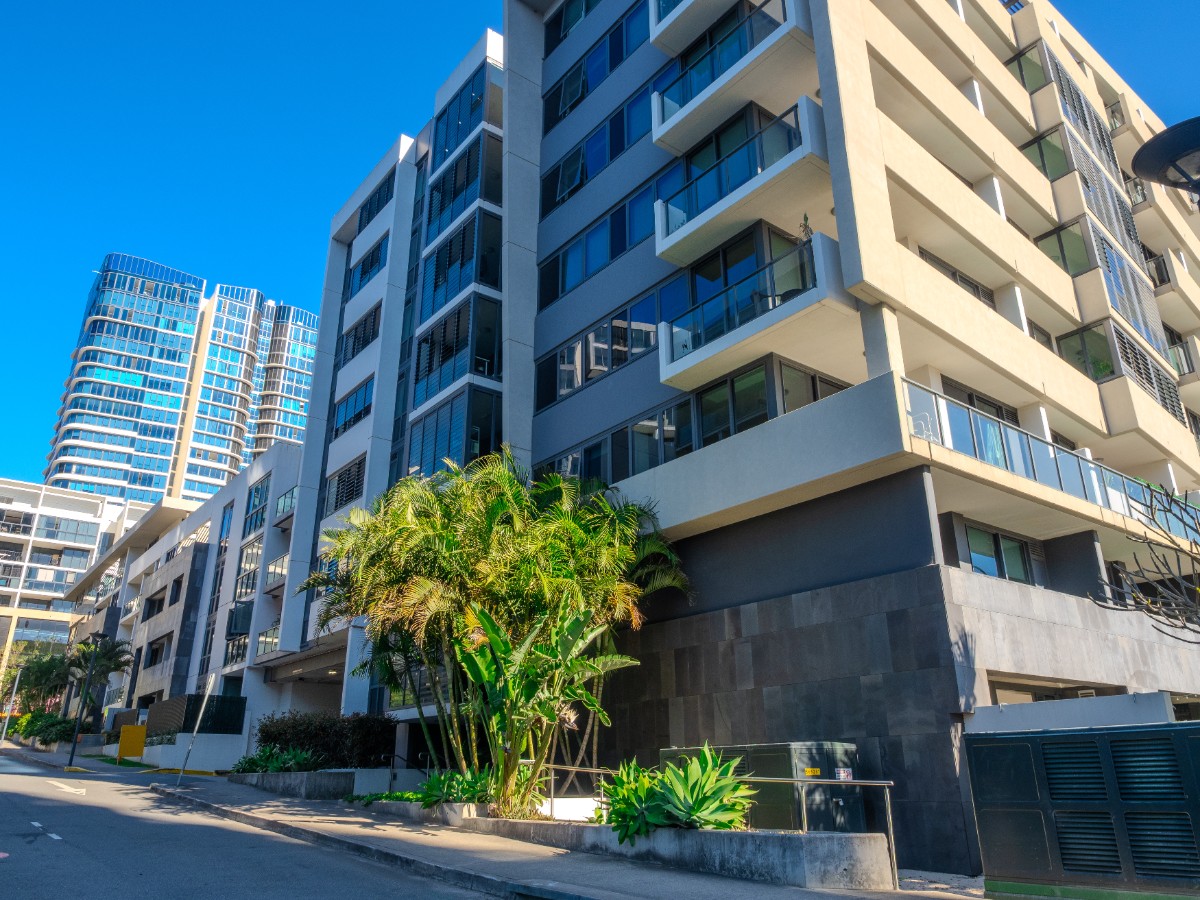
Sydney’s residential landscape is undergoing a major transformation, with new developments reshaping the way people live, buy and invest across the city. From large-scale housing estates in Western Sydney to apartment precincts built around transport hubs, new residential projects are responding to growing population pressures, changing lifestyle expectations and the ongoing need for more housing supply.
New homes can offer modern layouts, energy-efficient features, improved amenities and access to fast-growing communities, but they also come with considerations around price, location, infrastructure delivery, construction quality and long-term value.
Understanding how these developments are influencing Sydney’s property market is essential for anyone considering a move into a new residential area, whether they are buying a first home, upgrading, downsizing or looking for their next investment.
The rise of new residential developments in Sydney
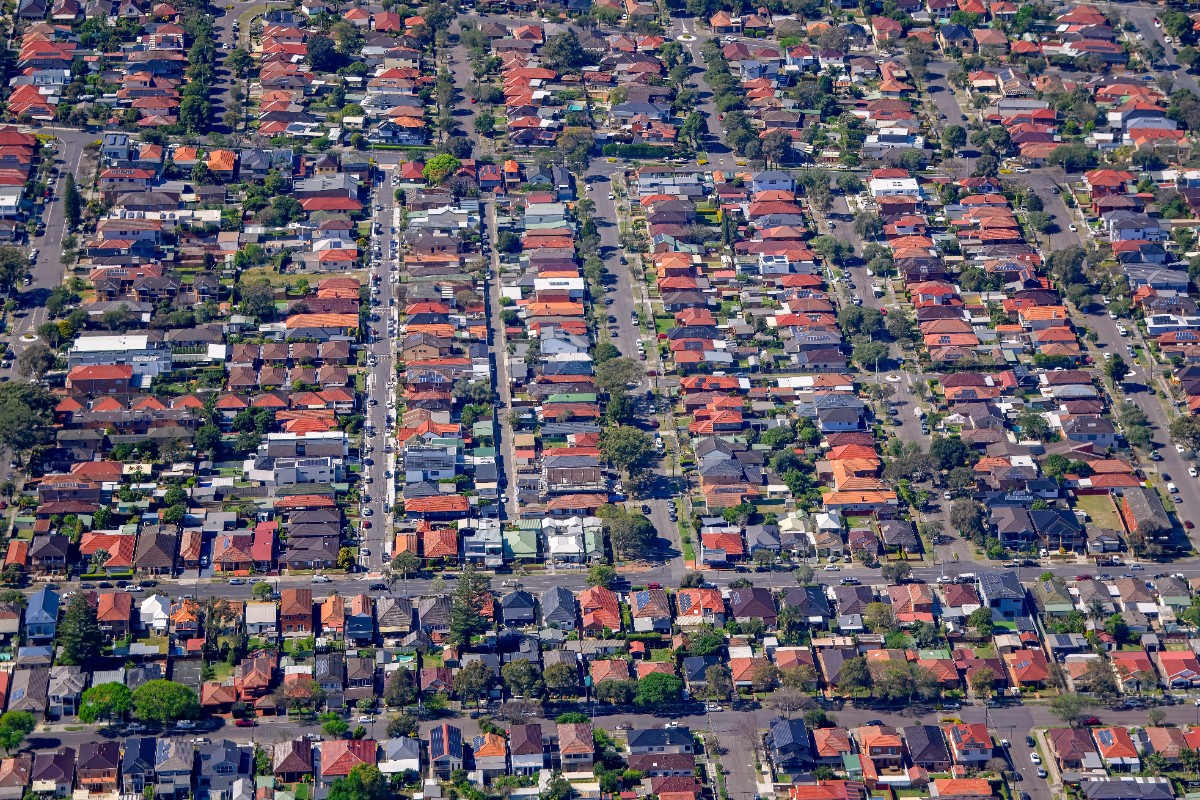
If you’ve driven through parts of Western Sydney lately, or even scrolled through a real estate listing site, it’s hard not to notice how much is being built. Sydney’s new residential development scene has been moving at a pace that’s genuinely hard to keep up with.
But this isn’t just a construction story. It’s about people, where they’re choosing to live, what they can afford, what they want their daily life to look like, and how all of that intersects with government decisions, transport investments, and shifting economic realities.
Sydney has never really stopped growing. People move here for work, for university, for family reasons, for the climate, for opportunities that don’t exist anywhere else in the country at the same scale. That steady inflow of residents-whether from interstate or overseas-puts constant pressure on the housing market.
When demand outpaces supply, prices climb. When prices climb in established areas, buyers look outward. And when enough buyers look outward, developers follow. It’s a fairly straightforward chain of events, and it’s a big part of why places like Penrith, Campbelltown, and the broader South-West corridor have seen so much activity. The land is there, the demand is real, and the numbers start to make sense.
Sydney suburbs experiencing new residential growth
If you’re dreaming of owning a property, now might be the time to pay attention to these up-and-coming NSW hotspots. A wave of major infrastructure projects across NSW, from new transport hubs to urban renewal precincts and employment centres, is set to significantly transform several neighbourhoods in the coming years.
- Bankstown, South-West Sydney: Sydney’s bustling south-west hub is about to become more connected than ever thanks to the in-progress Metro line that will connect Bankstown to the CBD. When the new line finally opens, the trip will be shortened by 15 min.
- St Marys, Western Sydney: big things are happening in Sydney’s west. The future Metro line connecting St Marys to the Western Sydney Airport is expected to supercharge the suburb, with house prices predicted to surge 18.8 percent and units are tipped to rise 2.2 percent.
- Port Kembla, Wollongong: long known for its industrial roots, Port Kembla is gearing up for a new advanced manufacturing hub that’s expected to create around 30,000 jobs in the region, driving a projected 7.5 percent rise in local house prices.
- Broadmeadows, NSW: with plans to eventually become the primary station on the planned Sydney to Newcastle high-speed rail link, this small suburb is tipped for huge growth. With more than 3,000 new home builds projected in the next year, a 36.1 per cent increase in housing prices and 0.7 per cent in units is expected.
The impact of new developments on property prices
House prices have risen faster in a handful of Sydney neighbourhoods where a wave of high-rise apartment towers were built, compared with other suburbs with less apartment development. A shortage of high-density housing is not the sole cause of booming house prices.
More medium-density housing could help improve housing affordability.
In recent years, increasing the supply of homes relative to demand has been proposed by experts and governments as a key solution to the affordability problem. Sydney house prices boomed 76 per cent between 2012 and 2017, then fell 11 per cent over the next two years. Apartment completions peaked in 2018-19, and the new supply was available to move into at the same time as prices were falling. But detached house prices tended to rise more in areas with more apartment supply.
In the suburbs where more than 1000 new apartments were built, the median detached house price rose 91 per cent from 2012 to 2017. But in the suburbs where under 100 new apartments were built, the median detached house price rose only 69 per cent during last decade’s property boom.
How new developments are creating new investment opportunities
When Australians think about property growth, many people immediately focus on prices, interest rates, or market cycles. But for many modern buyers, the bigger question is becoming: what will daily life in this area actually look like in five or ten years?
That is one reason growth corridors are attracting increasing attention across Australia.
New transport links, schools, shopping centres, healthcare facilities, parks, lifestyle precincts, and business hubs are reshaping how families choose where to live. For many buyers, the appeal is no longer just about property itself. It is about convenience, connectivity, flexibility, and long-term liveability.
As affordability pressure continues across major cities, many Australians are becoming more open to exploring emerging suburban areas and expanding communities.
For some buyers, these locations may offer:
- – more space
- – newer homes
- – lifestyle convenience
- – access to growing amenities
- – better value compared to inner-city areas
- – long term family planning opportunities
At the same time, many growth corridors are seeing major investment in transport, retail, education, and healthcare. This combination is reshaping how buyers evaluate long term property decisions.
Buyers increasingly want shorter commutes, walkable neighbourhoods, access to cafés and retail, parks and recreational spaces, nearby schools and childcare, flexible work-life balance, and connected communities. This is one reason many newer developments are being designed around convenience and integrated living rather than simply housing supply alone.
Across Australia, many suburbs are changing rapidly because of large-scale developments and expanding infrastructure. This can include new train or metro stations, retail and dining precincts, business and employment hubs, hospital and healthcare expansion, school and university investment, public parks and lifestyle spaces, and road and transport upgrades.
The role of infrastructure in Sydney’s residential growth
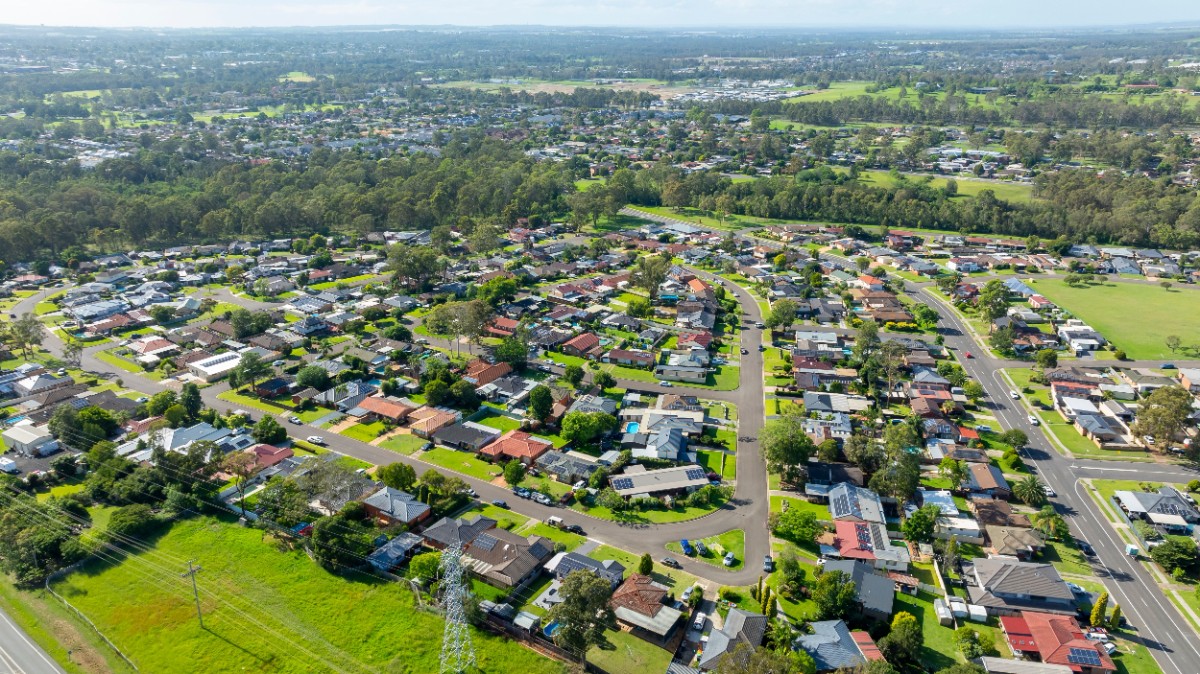
Housing growth does not happen in isolation. As communities grow, demand also increases for transport, schools, healthcare, parks, utilities, community facilities and local services.
Infrastructure shapes how communities function. It influences access to jobs and education, health and wellbeing, mobility and connectivity, social participation, economic productivity, access to public life, and community resilience.
Infrastructure is not simply about construction projects. It shapes quality of life. When infrastructure investment fails to keep pace with growth, communities often experience congestion, longer commute times, service strain, reduced access to opportunity, increased household stress, and reduced wellbeing.
Growth without infrastructure creates imbalance.
Infrastructure lag occurs when population growth outpaces investment in essential services and public infrastructure. Infrastructure inequality can reinforce broader spatial inequality over time.
Communities should not be expected to absorb rapid growth without the support systems needed to sustain it.
Apartments vs new houses in Sydney developments
| Feature | New Apartments | New Houses (House & Land) |
| Initial Cost & Entry | More affordable; lower barrier to entry in prime hubs. | Higher purchase price; requires more capital upfront. |
| Capital Growth Driver | Primarily driven by the building value and location demand. | Driven significantly by the underlying land value, which historically appreciates faster. |
| Rental Yield | Higher gross yields (approx. 3.8% to 5.0%). | Generally lower gross yields compared to units, but stable tenant demand. |
| Ongoing Costs | High regular strata/body corporate fees. | No strata fees, but full responsibility for all maintenance and repairs. |
| Tax Benefits | Strong initial depreciation tax shields on brand-new fixtures. | Lower depreciation benefits are limited mostly to structural elements. |
| Lifestyle & Space | Shared amenities (gyms, pools), low maintenance, high-rise views. | Private yards, garages, space for families, and no shared living rules. |
What to look for in new residential developments
- Investigate the developer: check out the developer’s website and scrutinise the ‘About’ section. Some key questions to ask are: how long have they been in operation? What other developments have they completed, and how have they worked out? Do they offer incentives for sustainable homes? What do they do to help build community?
- Study the master plan: in order to get a good idea of what the future environment will be like, and whether it will suit your needs, it’s important to study the master plan. What sort of lifestyle is on offer? Will the estate offer high, low or medium density housing, or a mix? How much land is set aside for parks, walking and cycling tracks, sports fields, waterways, wildlife corridors?
- Visit development sites: pick up the brochures or check out the digital ads and visit the display homes, but then strike out on your own to really give the place the once-over. Land developments offer a distinct lifestyle compared to established suburbs. Talk to people who’ve already moved in. Developments happen in stages and it usually takes years for a new estate to be completed, so some homes will be occupied while other blocks are just being released.
- Contact the local Council: request information on everything from rates, family services and long-term planning information for the locality. Find out how many new estates are being developed, and what the future population is expected to be.
- Research future transport and infrastructure plans: convenience is an important consideration when you are considering buying a home in a new area. You might find yourself surrounded with wonderful amenities to keep the family entertained, but if you can’t commute to work easily, it could be a deal breaker. It’s important to get a good idea of transport infrastructure in the area, and if it’s lacking, what plans are in place to improve it in the future.
- Think a decade ahead: imagine how the place will evolve with hundreds of new homes and a much-increased population. Do you share the developer’s vision for the community and planned spaces and is this the place you want to be?
Ultimately, the goal is not just to secure a property, but to choose a location and home that will grow with you whether that means supporting your lifestyle, your family, or your financial future. With the right research and a clear understanding of what to look for, buyers can navigate new developments with confidence and make decisions that stand the test of time. Contact us now.